Have it picked up
Already pulled up? We pick up the rolls and pad anywhere in Hilo. Still on the floor? We pull it up and take it away.
$99 pickup only
$248 full removal
first room · extra rooms from $39
Where to take old carpet in Hilo, what it costs, where you can recycle it, and what the local rules say.
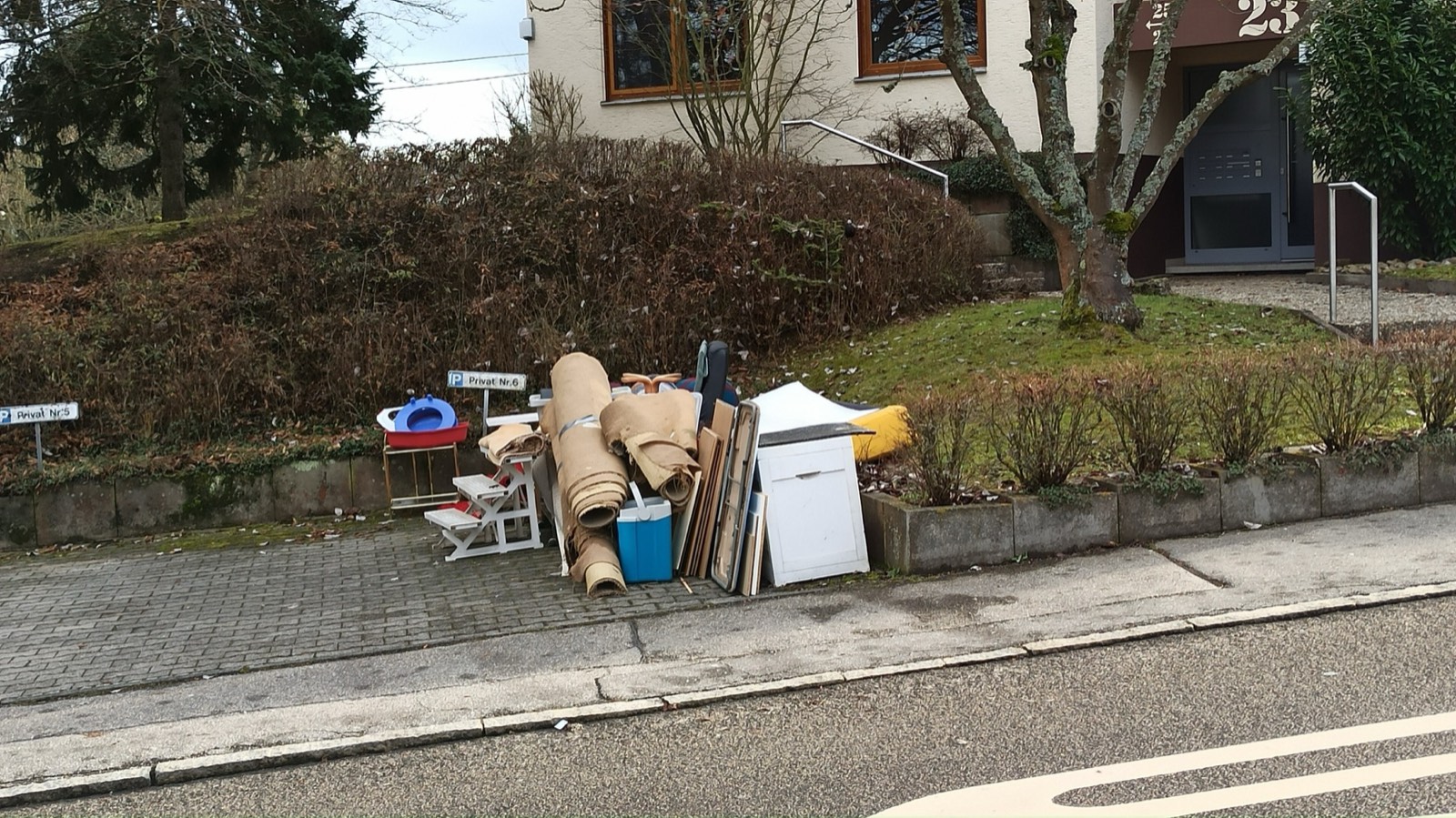

We pick up carpet anywhere in Hilo on the day you choose, Monday through Saturday. You see the full price before you pay.
We can’t take glued-down carpet without a quote, tile, wood or vinyl flooring, or general junk.
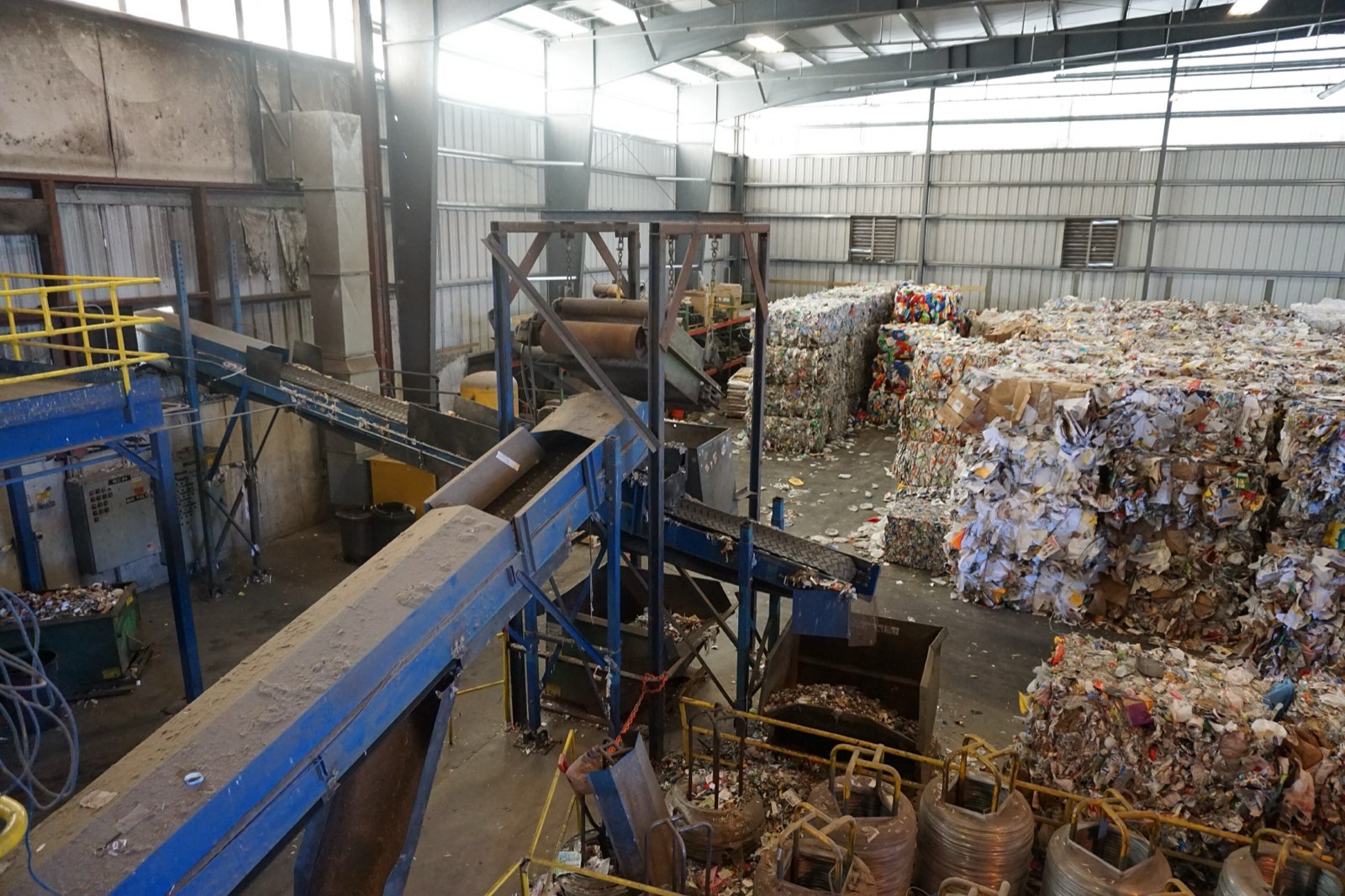
Carpet makers, pad recyclers and textile recyclers take what they can use.
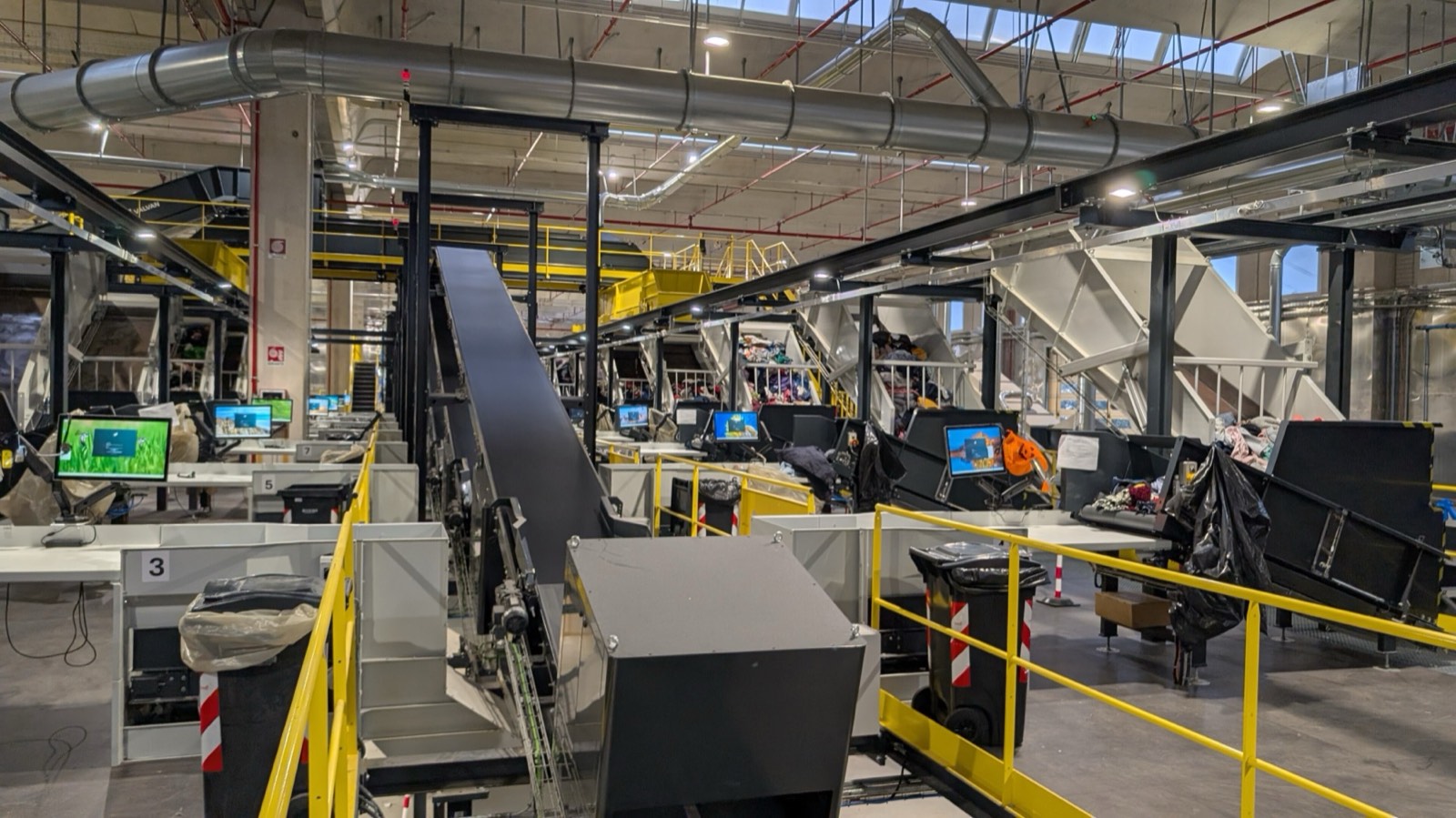
Where it goes depends on what the carpet and pad are made of and their condition.
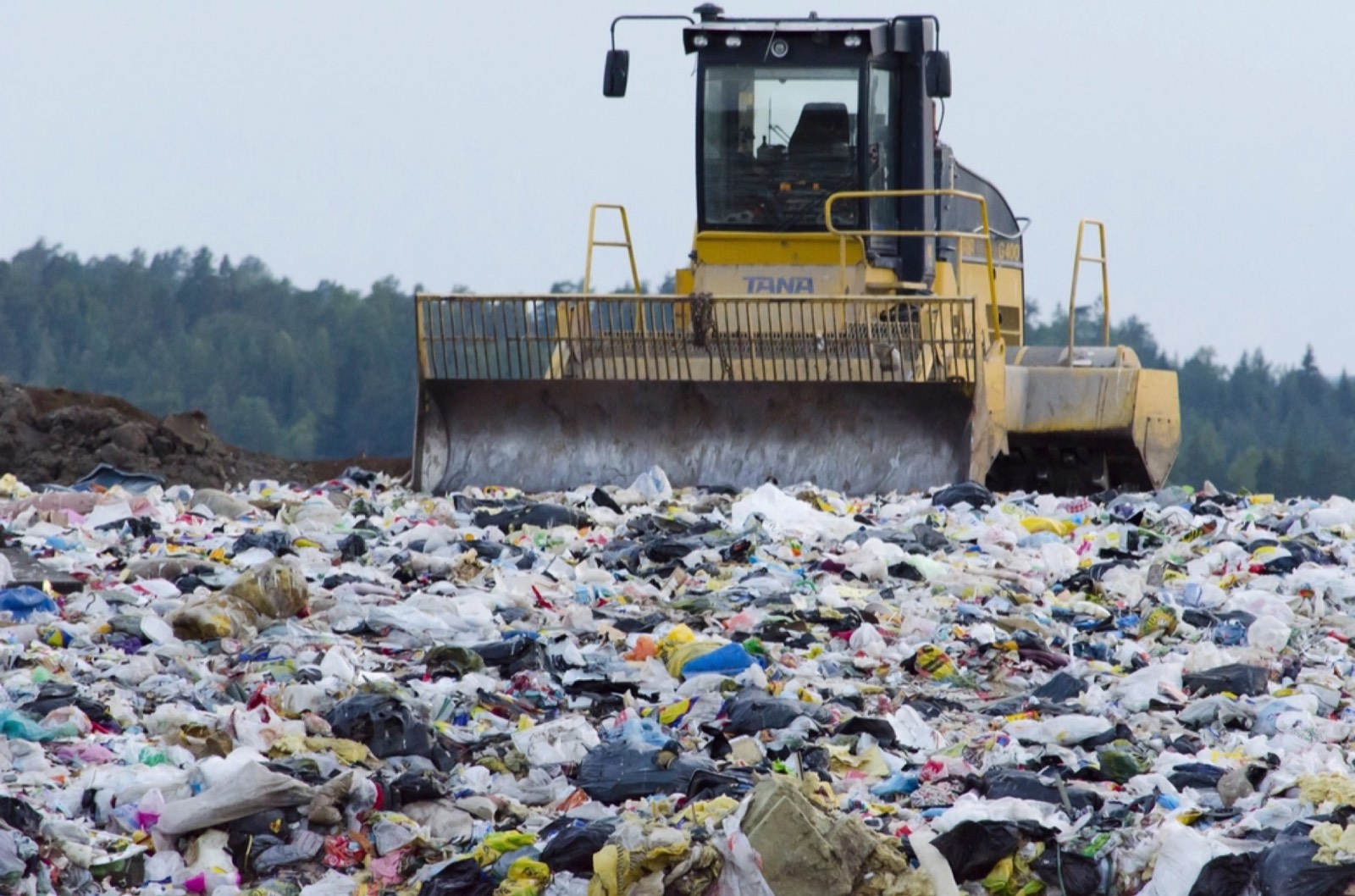
Carpet none of them can use goes to a licensed landfill or transfer station.
Take rolled, tied carpet to the Hilo Recycling & Transfer Station, 1471 Hoolaulima Road, open daily 6 a.m.-6 p.m. It is free for one household load a day.
The County of Hawaii has no curbside rubbish, recycling or bulky item pickup. The state Department of Health confirms the County offers no bulky pickup for carpet. You haul carpet to a transfer station yourself or hire a private trash company.
Cost: No County pickup. Transfer stations are free for one household load a day.
1471 Hoolaulima Road, Hilo, HI
The County's own pages don't name carpet, so call 808-961-8270 if you have a lot. Bigger loads go to a County landfill or reload site, where you pay by the ton. The County can fine $250 per rule violation (SW Rule 2-7-1). It also has a reuse center, but the County's page lists only latex paint and newspaper there.
16-921 Keaau-Pahoa Road, Keaau, HI
The County's own pages don't name carpet, so call 808-961-8270 if you have a lot. Bigger loads go to a County landfill or reload site, where you pay by the ton. The County can fine $250 per rule violation (SW Rule 2-7-1).
27-215 Old Mamalahoa Highway, Papaikou, HI 96781
The County's own pages don't name carpet, so call 808-961-8270 if you have a lot. Bigger loads go to a County landfill or reload site, where you pay by the ton. The County can fine $250 per rule violation (SW Rule 2-7-1).
1651 Hoolaulima Road, Hilo, HI
Use this site only when your load is too big for a transfer station. Hard hat, steel-toe shoes and a safety vest are required if you leave your vehicle. Call 808-961-8270 to ask about carpet first.
Hilo has no carpet recycling. The state Department of Health says Big Island residents can take carpet to the landfill or County transfer stations, where it is thrown away. The reuse center at the Hilo station lists only latex paint and newspaper, not carpet.
We work with carpet makers, carpet pad recyclers and textile recyclers across the country. Where your carpet goes depends on what it’s made of and its condition. Carpet none of them can use goes to a licensed landfill or transfer station. Book a pickup.
Hilo has no curbside carpet pickup, because the County of Hawaii doesn't pick up trash at the curb. Haul the carpet yourself to the Hilo Recycling & Transfer Station on Hoolaulima Road. It is free for one load a day up to 3 cubic yards. Bigger loads go to the East Hawaii Reload Facility on the same road, which charges $128 a ton plus a $26 a ton reload fee.
The County of Hawaii doesn't offer curbside trash, recycling or bulky pickup. Some private companies pick up trash for a fee. Otherwise you must haul carpet to a transfer station yourself.
Transfer stations take one free load a day per vehicle. That is about a full-size pickup with an 8-foot bed filled to the side walls. If you pulled carpet from a whole house, bring a second load the next day.
County rules say no item at a transfer station can be longer than 7 feet. Cut long rolls before you load them. Tie or cover the load, or the County can turn you away.
Loads over 3 cubic yards must go to the reload facility at 1651 Hoolaulima Road. You pay $128 a ton plus $26 a ton, pro-rated. It doesn't take cash. Wear a hard hat, steel-toe shoes and a safety vest if you get out.
Transfer stations take only waste you haul from your own home. If a flooring company pulls your carpet, it must take it to the reload facility or the landfill with a County permit.
Hawaii doesn't ban carpet from landfills, and the state Department of Health says there are no state rules for managing carpet. Bills to study making carpet makers pay for recycling (HB 1305 in 2021) did not pass. Only Honolulu offers bulky pickup for carpet; the other counties take it at landfills and transfer stations.
Cut it into strips. Strips about 4 feet wide roll tight and are easier to lift. Most city pickups and drop-off sites set a length or weight limit. Check the rules above.
Roll the pad separately. Many recycling sites take pad and carpet in separate piles.
Keep it dry. Wet carpet is much heavier, and recycling sites may turn it down.
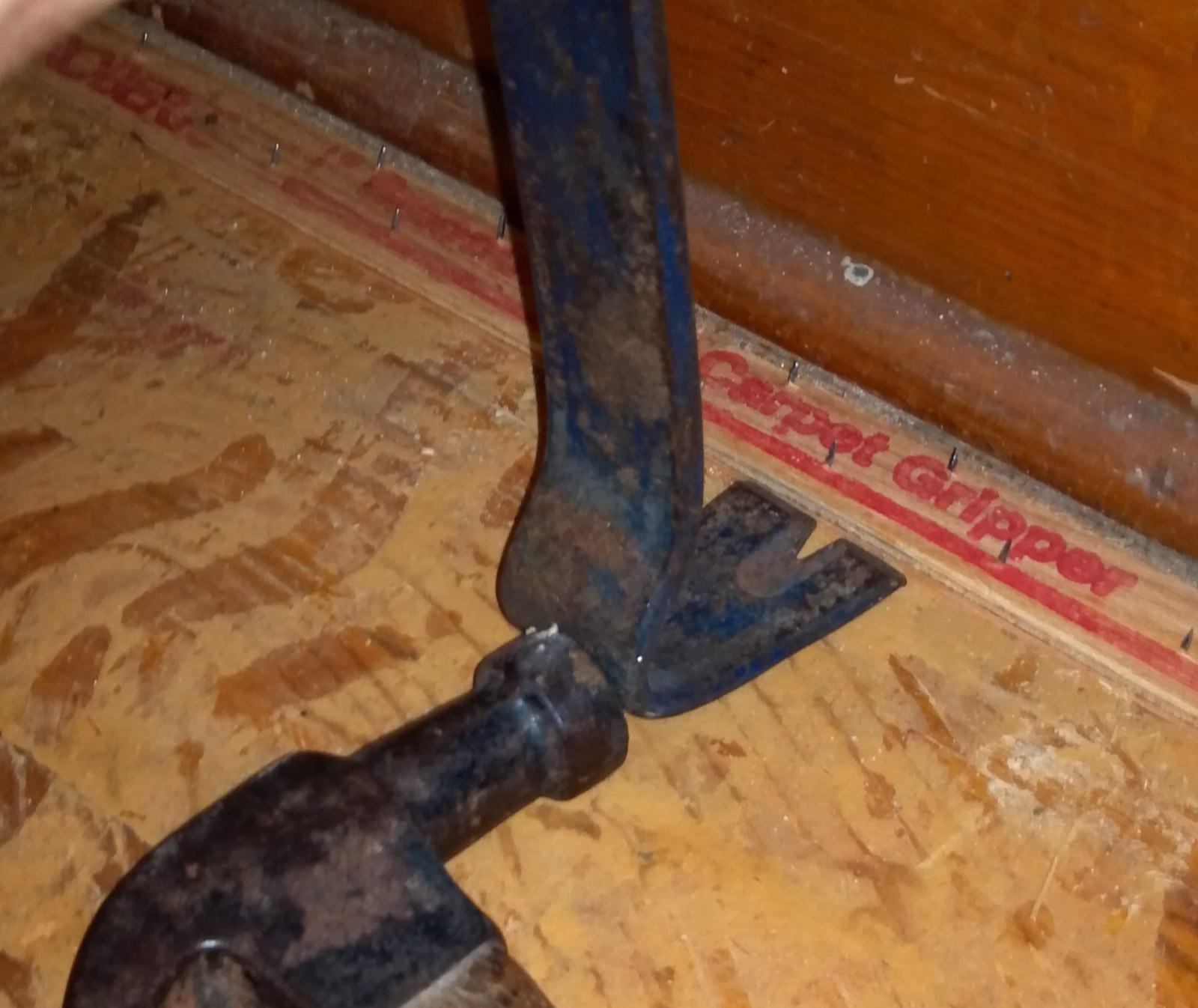
Watch for tack strip. It has sharp nails. Wear gloves, and keep it out of the carpet rolls.
Booking our pickup? If the carpet is still down, leave it and add a pull-up to your booking. Move the furniture out of the room first.
No. The County of Hawaii has no curbside trash or bulky pickup. Take the carpet to a transfer station or hire a private trash company.
The Hilo Recycling & Transfer Station, 1471 Hoolaulima Road, is open daily 6 a.m.-6 p.m. Keaau and Papaikou transfer stations also take household waste. All three are free.
Transfer stations are free for one load a day up to 3 cubic yards. Bigger loads go to the East Hawaii Reload Facility. It charges $128 a ton plus a $26 a ton reload fee.
The County now sends loads too big for a transfer station to the East Hawaii Reload Facility (Sort Station), 1651 Hoolaulima Road. Construction loads over 5 cubic yards must go to West Hawaii Sanitary Landfill instead.
No. Hilo has no carpet recycling, and the County's sites throw carpet away. The Department of Health says most carpet in Hawaii goes to the landfill.
What we couldn't confirm: County pages list household waste and home construction waste but don't name carpet. The state Department of Health's 2024 carpet fact sheet says carpet can go to County transfer stations. Call 808-961-8270 before a large load.
Checked November 23, 2026 against these sources, not by phone. How we research.